
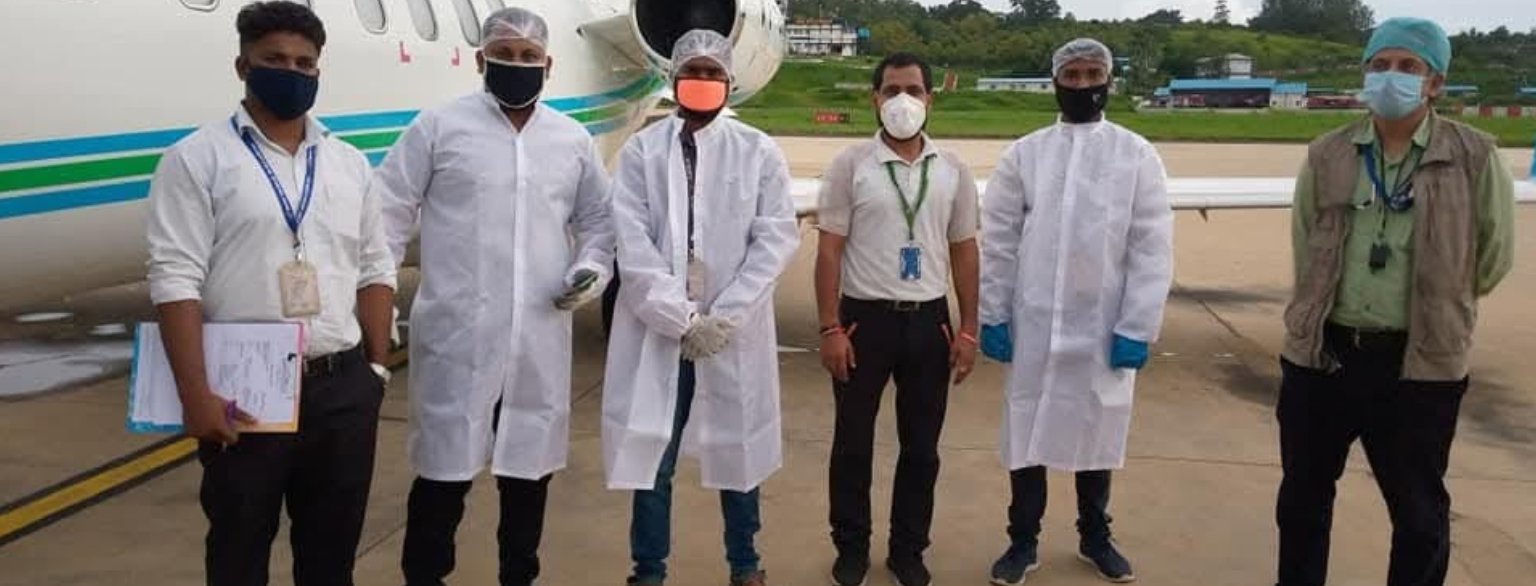
GRRS Train Ambulance in Raipur – Safe and Efficient Emergency Medical Transport
Raipur, the capital city of Chhattisgarh, is a key healthcare hub for patients from the city and surrounding districts. In critical medical emergencies, timely access to advanced medical facilities can be life-saving. GRRS Train Ambulance in Raipur provides safe, reliable, and medically supervised train ambulance services for patients who need urgent transfer to hospitals within Chhattisgarh, across India, or to neighboring states.
For patients who cannot travel by air due to medical constraints or when air transport is unavailable, train ambulances provide a secure and comfortable alternative. GRRS train ambulance services ensure smooth, stress-free transportation with continuous medical monitoring, making them ideal for long-distance transfers or inter-hospital relocations. Equipped with advanced medical facilities, GRRS guarantees that patients receive high-quality care throughout the journey.
Why Choose GRRS Train Ambulance in Raipur for Critical Transfers
Selecting a trusted medical transportation service is crucial during emergencies. GRRS Train Ambulance in Raipur is renowned for its patient-focused approach, highly skilled medical staff, and seamless operational coordination. The service is designed for patients who cannot safely travel on commercial trains or buses without professional medical supervision.
GRRS provides specialized care for a wide range of medical conditions, including cardiac emergencies, severe trauma and accident injuries, neurological disorders such as stroke, respiratory distress, neonatal and pediatric emergencies, cancer-related cases, and post-operative transfers. Each mission is managed by experienced doctors, nurses, and paramedics who are trained in patient care during transit. Their expertise ensures continuous monitoring, rapid medical intervention, and safe stabilization of patients throughout the journey.
Advanced Onboard Medical Facilities and ICU-Level Care
A defining feature of GRRS train ambulance services is the availability of ICU-level medical care onboard. GRRS Train Ambulance in Raipur is equipped with hospital-grade medical infrastructure to provide intensive care during the journey. The train ambulance is specially designed to ensure patient comfort, stability, and safety, even during long-distance travel.
Onboard facilities include ventilators, cardiac monitors, defibrillators, infusion pumps, oxygen delivery systems, suction devices, and essential emergency medications. Continuous monitoring of vital signs allows the medical team to respond immediately to any changes in the patient’s condition. This high standard of care ensures that critically ill patients receive uninterrupted medical attention, making train ambulance services a safe and effective alternative when air transport is not feasible.
How GRRS Train Ambulance in Raipur Operates
The operational process of GRRS is designed to be fast, efficient, and patient-centric. Upon receiving a request, the medical coordination team reviews the patient’s medical records and consults with the treating physicians to determine the level of care required. Based on the patient’s condition, the train ambulance is prepared with the necessary medical equipment and staff for a safe transfer.
GRRS manages all aspects of the journey, including coordination with railway authorities, boarding and disembarkation assistance, and ground ambulance transfers from the hospital to the railway station and from the arrival station to the receiving medical facility. GRRS Train Ambulance in Raipur ensures seamless bedside-to-bedside transfers, prioritizing patient safety, comfort, and continuous medical supervision throughout the journey.
With a strong commitment to safety, reliability, and clinical excellence, GRRS continues to be a trusted provider of train ambulance services in Raipur, offering dependable emergency medical transportation for patients, families, and healthcare providers during critical situations.